
I just returned from my annual visit to Colorado Springs for Superstars, a writing conference. This time around, it seemed kind of messy. The writer I shared my hotel room with broke her ankle, so everything revolved around where she was in the healing process.
I came into it trying to figure out where I was in writing because I’d discovered my high Adaptability makes it impossible to write full time. Yet, everyone talks as if writing full-time is everyone’s goal is to be a 7 figure author (apparently, Author Nation is shifting a little and will be focusing on different ranges instead of only this). So I got some things to think about.
Highlights:
I was in one panel, on using subject matter expertise to teach classes at community centers and schools. Surprise, surprise! Two other women came up with military topics. An incredible coincidence that there would be three women veterans at Superstars. One was Lila Holley of Camouflaged Sisters.
David Weber gave a presentation on Characters Matter, which was an abbreviated version of a class he is releasing in a few weeks. He said he would be announcing it on his Facebook page, so you might have to follow him.
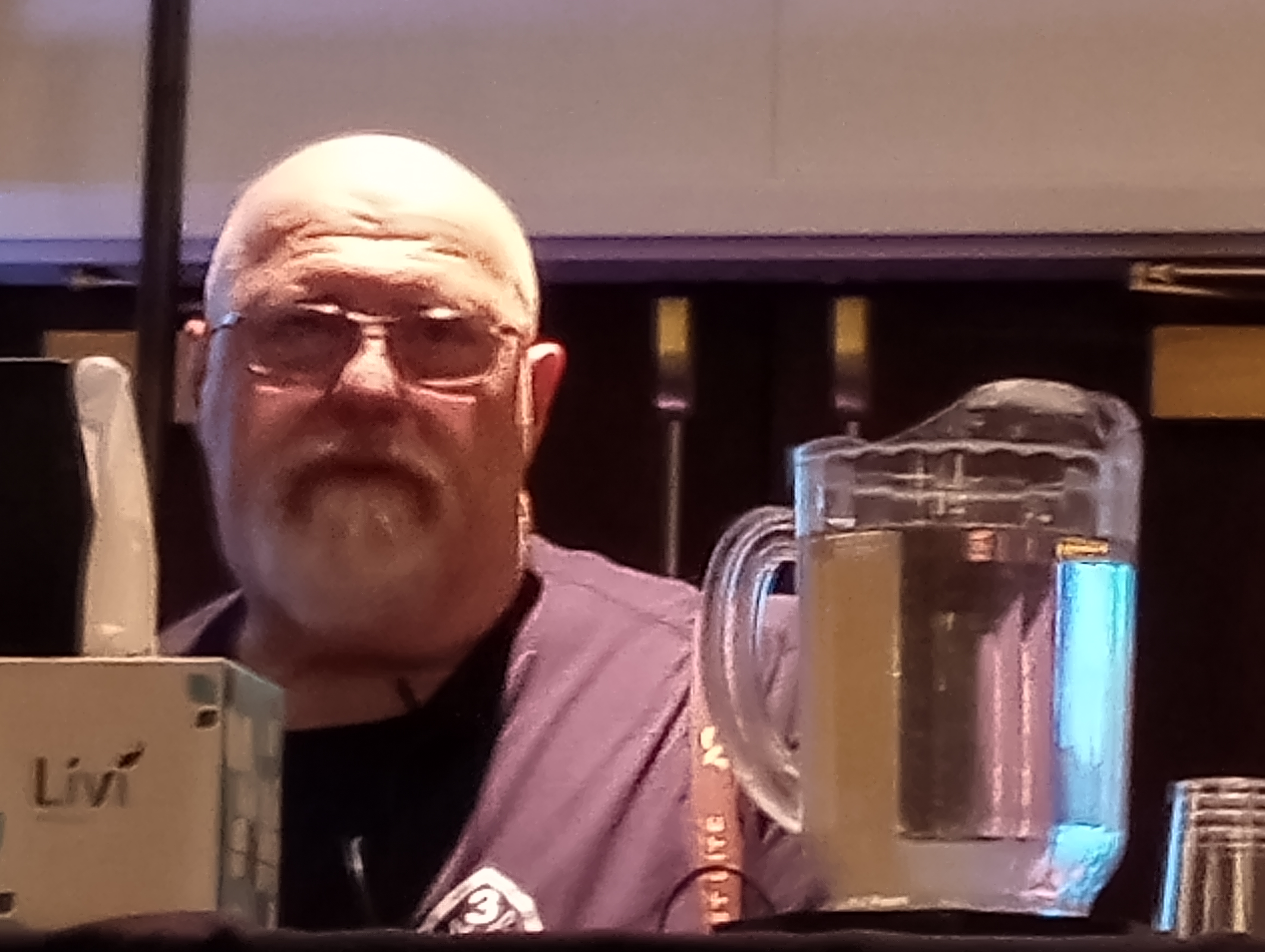
His definition of plot is “what the character has to do.” He also recommend naming all the characters because you never know when they may come back into the story. Also, you might think about giving them a little bit of history.
One of the most striking things though was that he was an advocate of there not being only one way to write. He said that you have to use your tools because that’ll help you become a better writer.
Editing Under Deadline from Jonathan Maberry. This panel originated from his second book. The publisher wanted a certain length, and then the economy changed, and they wanted him to cut 30,000 in a month. He set a goal of 1,000 a day so he wouldn’t get overwhelmed, then went over the book skill area by skill area. Anything complicated like structure or big cuts was last. Easy changes like grammar and continuity were first. The idea was that if you focused on one skill area, it was much faster than correcting some continuity, then fixing dialogue, and running into a timeline problem that was complicated and took more time. He also said sometimes the easier fixes fixed the harder ones.

He has an online class coming on March 2 for Thrillers and Chills. It is focused more on horror, but it covers some topics you could apply anywhere.
Short Stories: This is the one that kicked me out of one place where I’d gotten stuck and didn’t know why. I started out writing short stories, and I like reading them. But during the last year, I was frustrated with doing them. They don’t sell much indie-wise, and it’s challenging to submit them. It hit me that I should question some of the premises:
- That if a short story takes longer than a week to write, there’s something wrong with the way I’m writing. This thinking comes from a number of writers. My high intellection does need time to think about the story and process it; sometimes a week isn’t enough. If I push for the week, Adaptability takes over.
- That if the story isn’t indie published, it needs to be out in submission. Meaning, if it gets rejected, it has to be back in play right away. This is commonly recommended by fulltime writers, where it makes sense. For me, as a part-time writer, it’s a lot harder to manage something like that, and frankly is an unrealistic expectation because of time and market limitations.
- That you should always be paid pro rates (6-8 cents a word and up). This is from a lot of writers. But what if the story doesn’t sell at any pro rate market? Then what? In this case, I’m pondering the reason for short stories, which might be to help pay for cover images, editing, etc, for the novel length fiction. If I change that thinking, then maybe semi-pro might give me additional markets.
I’m still thinking over all of this and will have some additional stuff about short stories.
Meanwhile, here’s non-Superstars link to take a look at. Cal Newport did a podcast on minimalist note taking (at 2:55). He takes on the current trend off-loading everything into your notes so you can get it out of your head. And the complicated linking systems that makes so much work that it’s much easier to simply not take any notes at all. How did we get so complicated? Everyone’s selling a system. Cal’s–freely given–is very simple, doesn’t require distillation (hate the way everyone uses it), and relies on you having some of it in your head because that’s part of the creative process.
 Linda Maye Adams